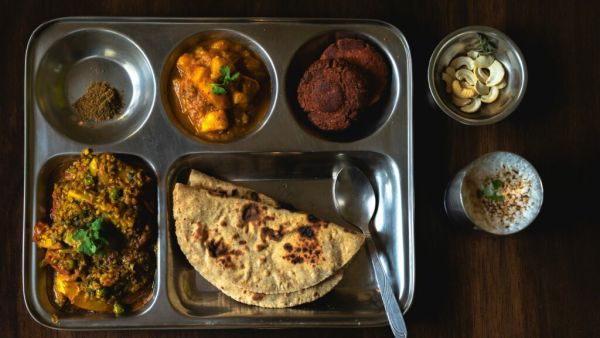
Home-cooked food is often considered the gold standard of healthy eating in Indian households. For generations, meals made in our own kitchens have been associated with nutrition, comfort and care. But can a plate of home food still fall short nutritionally? According to fitness consultant Sanya, the answer may be yes.
In a recent post on Using the example of a lunch common or dinner plate, she highlighted how some meals may be disproportionately high in carbohydrates while providing relatively little protein.
A Typical Indian Meal Under Scanner
Sanya analyzed a meal consisting of four rotis, aloo sabzi, thin dal and white rice. According to her estimates, the meal provides:
- 4 rotis: 320 calories, 12g protein
- Aloo vegetable: 200 calories, 3g protein
- Thin dal: 80 calories, 5g protein
- White rice: 200 calories, 4g protein
She calculated that the total meal delivers around 800 calories, 24g protein and 141g carbohydrates.
Sanya noted that if such a meal is eaten twice daily, it would provide approximately 48g of protein over the day, which she believes may be below the minimum requirement for many adults.
Why Homemade Food Often Escapes Scrutiny
According to Sanya, one of the biggest reasons these nutritional imbalances go unnoticed is the perception that anything prepared at home is automatically healthy.
“The moment something is homemade, India stops questioning it,” she wrote, arguing that factors such as oil quantity, protein content and portion sizes are rarely measured or evaluated in everyday cooking.
She stressed that while home-cooked meals may be preferable to highly processed or fast-food options, that alone does not guarantee nutritional balance.
is Aloe More Of A Carb Than Vegetable?
Sanya also noted the dominance of carbohydrates in many Indian meals. In her analysis, staples such as rotis, rice and potato-based vegetables can collectively contribute a significant proportion of a meal's calories.
Referring to aloo sabzi, she suggested that potatoes often add extra starch to a plate that is already heavy on carbohydrate-rich foods.
Is Your Dal Actually Rich In Protein?
Another point highlighted in the post was the way dal is prepared and served.
Sanya explained that a thin, watery serving of dal may contain considerably less protein than a thicker, more substantial portion. She suggested that increasing both the consistency and quantity of dal could help improve the overall protein content of a meal without requiring major dietary changes.
How To Make That Same Indian Thali More Nutritious
Rather than recommending an entirely different way of eating, Sanya proposed a few adjustments to improve the nutritional balance of a typical Indian plate:
- Make the dal thicker and increase the portion size
- Replace aloo with paneer, eggs, chicken or chana four to five days a week.
- Add a full bowl of yogurt to meals
- Reduce rotis from four to two
According to her calculations, such changes could increase the protein content of the plate from around 24g to approximately 45-50g.
Watch What You Eat, Even At Home
Sanya concluded that home food itself is not the problem. Instead, she believes many Indian meals could benefit from a more protein-focused structure.
Her post has sparked discussion online about whether traditional eating habits need to evolve to better meet modern nutritional needs.
-
Municipality's Vaidya AI chatbot for health care! Treatment information will be available along with hospital available near home

-
Rakshabandhan: Unique stories of brother-sister relationship
-
Kanye West calls Yeezy ‘the Apple of clothing’ after sellout

-
Yes, Harbor Freight Does Sell Replacement Parts

-
Afghanistan announces squad for Asian Games 2026; The captaincy was entrusted to 'this' player