
CNG has just lost a little more of its traditional price advantage over diesel in Delhi-NCR. Indraprastha Gas Limited has raised CNG prices by Rs 3.89 per kg from August 29. CNG now costs Rs 95.59 per kg in Noida and Ghaziabad, Rs 95.47 in Meerut, Rs 92.01 in Gurugram and Rs 86.98 in Delhi.
The Noida number is particularly striking. Diesel is currently around Rs 95.5 per litre there, depending on the daily price source. In other words, the displayed price of a kilogram of CNG is now virtually the same as a litre of diesel.
That does not mean a CNG car suddenly costs the same to run as a diesel car. A kilogram of CNG and a litre of diesel are different quantities of fuel, and vehicle efficiency differs. But it does mean the simple price-board advantage that helped make CNG attractive has narrowed sharply.
This is the fifth CNG price increase in Delhi-NCR during 2026. IGL had already raised prices by a combined Rs 6 per kg through four revisions in May. Add the latest Rs 3.89 increase and CNG has become almost Rs 10 per kg more expensive through these revisions alone.
In Noida and Ghaziabad, the price immediately before the latest hike was Rs 91.70 per kg. It is now Rs 95.59. Delhi has moved from Rs 83.09 to Rs 86.98 per kg in this round. IGL has attributed the increase to higher international LNG prices.
A significant part of the gas used for CNG is linked to imported liquefied natural gas, so a rise in global gas prices eventually feeds into retail CNG prices. The company says the latest increase only partially offsets the rise in its input costs.
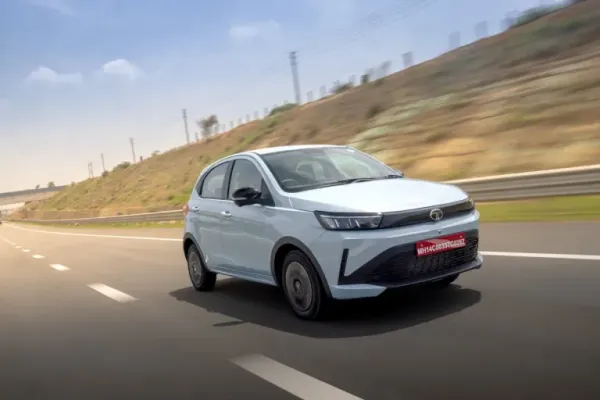
Comparing only pump prices can be misleading. Take a typical compact car as an illustration. If its CNG version returns 25 km per kg at Rs 95.59 per kg, fuel cost works out to about Rs 3.82 per km.
A diesel car returning 20 km per litre at roughly Rs 95.5 per litre costs about Rs 4.78 per km. Change the real-world mileage and the gap changes too. A CNG car returning 20 km per kg would cost about Rs 4.78 per km, effectively wiping out the advantage in that example.
Petrol remains considerably more expensive per kilometre for many comparable cars, which is why CNG can still make sense for high-mileage users.
The problem is that fuel saving is only one part of CNG ownership. Factory CNG versions generally cost more than their petrol equivalents, boot space can be reduced on some cars, and refuelling can take longer where queues are common. The higher the CNG price goes, the longer it takes to recover that extra purchase cost.

The biggest impact is on vehicles covering large distances every day. A private owner driving 800 km a month will notice the increase, but a taxi covering several thousand kilometres will absorb a much larger additional monthly bill.
For someone buying a new CNG car, the calculation should therefore be based on cost per kilometre and annual running, not the fact that CNG has historically been labelled the cheaper fuel. The latest hike does not make CNG pointless. Efficient factory-CNG cars can still undercut comparable petrol and diesel cars on fuel cost.
What has changed is the margin. At Rs 95.59 per kg in Noida and Ghaziabad, CNG no longer looks dramatically cheaper when you pull into a fuel station. For low-mileage owners, that makes the extra price of a CNG variant harder to recover. For high-mileage users, the arithmetic can still work, but it now deserves to be done rather than assumed.
-
Liverpool forward Cody Gakpo set to pick Manchester City as Tottenham suffer transfer setback

-
Newcastle winger makes a flying start to 2026/27 🔥

-
Rainy season also means bad smell in water bottles, which can be cleaned without using soapy water

-
Traveler Finds Fake Dominos In Pakistan, Leaves Internet Intrigued

-
What happened when Major Dhyanchand met Don Bradman, do you know this story?