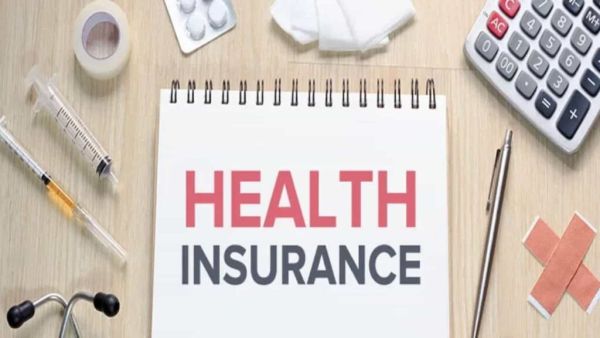
Amidst the ever increasing medical inflation and increasing cases of serious diseases, it has become mandatory for every family to have a strong health insurance policy. Once you are admitted to the hospital, the expenditure of lakhs of rupees can wipe out your savings of years in one go.
Often, while buying a health policy, people only trust the low premium (cheap price) or the agent's words and forget to read the fine print of the policy. The result is that when a medical emergency actually occurs, the insurance company rejects a large portion of the claim or the claim is rejected altogether. To avoid such unpleasant situations, it is very important to check these 6 most important things before paying the policy premium.
Health insurance is often the biggest financial shock. room rent capping It seems because of. Many older or cheaper policies have a condition that you can take a room only for 1% of the sum insured (ie ₹5,000 per day for a ₹5 lakh policy).
-
Danger of Proportional Deduction: If you are admitted to a room more expensive than the prescribed limit (e.g. a private room for ₹ 8,000/day), the insurance company not only deducts the extra room rent but also applies proportional deduction on doctor's fees, operation and test expenses.
-
What to do: Always choose a policy which No Room Rent Limit Or at least have clear eligibility for 'Single Private AC Room'.
If you have any pre-existing health condition (such as diabetes, high blood pressure, thyroid or asthma) at the time of taking the policy, it is considered as Pre-Existing Disease (PED).
-
Insurance companies do not immediately cover these diseases and their treatment expenses. for this Waiting period of 1 to 3 years is determined.
-
While buying a policy, always give preference to the policy with minimum waiting period.
-
The most important thing is that while filling the form, never hide any of your past illness, surgery or medication history. If the investigation finds that you hid your illness, the company may reject the claim on the grounds of fraud.
Co-payment means that you will have to pay a certain percentage of the total hospital bill (like 10%, 20% or 30%) from your pocket and the remaining portion will be paid by the insurance company.
-
Many companies silently add a co-payment of 20% to the policy to make the premium look lower. For example, if a bill of ₹5 lakh comes, you will have to pay ₹1 lakh yourself.
-
If you are not taking a policy for senior citizens, always Zero Co-payment Choose only the policy.
The hassle of pocketing money in case of an emergency and later filing a claim for reimbursement is very stressful.
-
Network Hospital: Check whether the major multi-specialty hospitals in your city and around your home are included in the cashless network of that insurance company.
-
Restoration/Reload Benefits: If the entire sum insured is spent in a single policy year, does the company reinstate your insurance cover at 100% without any additional premium? This feature proves to be a lifesaver for other family members, especially in family floater policies.
To find out the credibility of the insurance company, do check the figures of the annual report released by the Insurance Regulatory and Development Authority of India (IRDAI):
-
Claim Settlement Ratio (CSR): It shows how many claims the company passed out of the total 100 claims it received. Always choose a company with more than 95% claim settlement ratio and low claim rejection rate.
-
Claim Settlement Time: Also check the average turnaround time the company takes to approve cashless claims.
-
No-Claim Bonus (NCB): In a year in which you do not take any claim, many companies increase your sum insured by 10% to 50% (without increasing the premium). Choose a policy that offers a cumulative bonus of 100% to 200%.
-
Day Care Treatments: Due to modern medical science, many surgeries (such as cataract, chemotherapy, dialysis or kidney stone lithotripsy) do not require 24-hour hospitalization. Make sure your policy covers all modern day-care procedures and robotic surgeries without any sub-limit.
Health insurance is not just a tax saving document, but also a protective shield for your family's hard-earned money and mental peace. While choosing a policy, avoid buying a policy with poor terms just to save ₹500 or ₹1,000 in premium. Read the policy document carefully, disclose all medical conditions and secure your future by choosing a plan with comprehensive coverage.
-
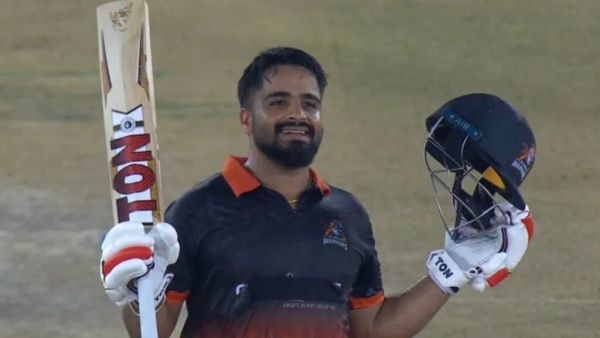
Prabhsimran Singh Century: As soon as he was removed from Team India, Prabhsimran Singh hit a century in 40 balls, chased the target of 265 in T20 with 19 balls first.
-
The playoff matches of UP T20 League 2026 will be held in Lucknow, why did Kanpur lose hosting?

-
East Zone Duleep Trophy Final: Beat defending champions Central Zone by 4 wickets; Shami 900 wickets in professional cricket

-
Kashi Rudras defeated Meerut by 56 runs and made it to the top-4.
-
Australia announces ODI squad for South Africa and Zimbabwe tour; Pat Cummins and Mitchell Starc return, Mitchell Marsh named captain