
On Thursday, Mumbai, State Bank of India (SBI), and Citi unveiled a $295 million social credit program to help India’s smallholder farmers.
According to a statement from the banks, the funding is primarily intended for smallholder farmers in India in order to help them increase their agricultural output and enhance their financial well-being.
To assist satisfy the credit needs of the agricultural sector, and smallholder farmers in particular, SBI will use the facility to fund its portfolio of Kisan Credit Card loans.
Using our wide network, “we aim to reach small and marginal farmers who are at the core of India’s agriculture sector but often lack access to essential credit resources,” said Jayati Bansal, Dy Managing Director (International Banking Group), SBI.
By improving their access to funding, this program will empower these farmers and assist them in increasing production and establishing sustainable livelihoods. Supporting the marginalized agricultural community is essential to bolstering rural economies and promoting long-term economic inclusion, according to Bansal, who spoke at SBI.
Despite making up a sizable portion of India’s agricultural economy, smallholder farmers confront substantial social and economic challenges.
Their inability to plan for long-term requirements is hampered by limited income and credit availability, which often limits their production and development and keeps them out of the larger economy.
This partnership with SBI will leverage “the depth of our trade and working capital loan solutions to unlock positive social impact and economic growth,” according to Mayank Gupta, Asia South Head of Trade and Working Capital Solutions at Citi.
Through a number of programs that prioritize social and environmental reasons throughout its operations, products, and services, SBI is actively promoting good change. By increasing financial knowledge, encouraging financial inclusion, and broadening access to banking services, it helps its community.
Citi has pledged USD $1 trillion worldwide to extend access to essential services for 15 million low-income and underserved families, including 10 million women, and to sustainable financing by 2030.
-
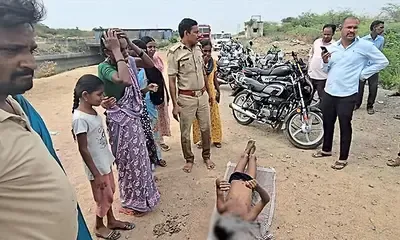
Teen boy drowns while swimming in canal near Kembhavi in Yadgir district
-
Waterstones has 'free drink offer' fans are only just realising exists

-
Sharon Stone announces devastating death news in latest family tragedy

-
From Dubai to IPL: Macneil in CSK after mother quit job, father spotted talent

-
Starmer, Streeting, Burnham and the bacon eater - the runners and riders to be our next PM