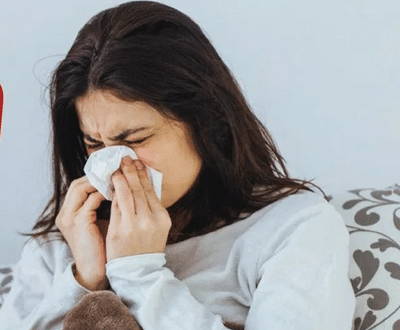
As winter arrives, cases of respiratory illnesses begin to rise—and viral pneumonia becomes a major concern. Viral pneumonia is a lung infection caused by viruses such as influenza, RSV, adenovirus, or COVID-like viruses. Unlike bacterial pneumonia, this condition spreads only through viruses and leads to inflammation in the lungs, causing breathing difficulty, chest tightness, and persistent cough.
Because its symptoms often start like a common cold, many people ignore the early signs. But viral pneumonia can worsen quickly, especially in children, older adults, and people with weak immunity.
Why does viral pneumonia increase in cold weather?
According to Dr. L. H. Ghotekar of Lady Hardinge Hospital, several winter-related factors increase the risk:
Weak immunity in cold weather
Lower temperatures reduce the body’s immune response, giving viruses a better chance to multiply.
Dry winter air
Cold, dry air removes moisture from the nose and throat.
This dries out the protective mucus layer that traps viruses—allowing them to enter the lungs more easily.
Indoor crowding
People stay indoors with closed rooms and poor ventilation, making virus transmission faster.
Viruses are more active in winter
Flu virus, RSV, and other respiratory viruses survive longer in cold air, increasing infections.
Narrowing of blood vessels
Cold weather constricts blood vessels in the respiratory tract, weakening the body’s defence against infections.
Early symptoms of viral pneumonia
Viral pneumonia often begins like a cold but gradually worsens. Watch for:
• Fever
• Dry cough
• Shortness of breath
• Chest tightness
• Fatigue and weakness
• Chills
• Body ache
• Loss of appetite
• Rapid breathing
High-risk groups
• Children
• Elderly adults
• People with asthma
• People with diabetes or heart disease
• Individuals with low immunity
How to prevent viral pneumonia in winter
Keep yourself warm
Wear proper winter clothing and avoid sudden exposure to cold.
Wash hands regularly & use a mask
Hygiene reduces virus transmission.
Keep the home ventilated
Fresh air reduces indoor viral load; avoid overcrowded spaces.
Increase fluid intake
Warm water, soups, and herbal teas help keep the respiratory tract moist.
Get the flu vaccine
Essential for children, seniors, and those with chronic conditions.
Do not ignore cough/cold symptoms
Early treatment prevents complications.
Boost immunity
Add fruits, warm soups, turmeric, ginger, and vitamin-rich foods to the diet.
-
At the age of 37, Virat Kohli looks like a young player! Know Virat’s secret to diet and fitness

-
Miracle in reducing obesity! Get a fit body with cinnamon tea

-
Bûche de Noël (Yule log cake): Try this festive French chocolate dessert for Christmas

-
Fake desi eggs are being prepared from tea leaves and vermilion, before buying, definitely identify them in these 4 ways.

-
Rockstar Games GTA 6 Trailer Leak: Real Early Gameplay Footage Surfaces Online, Fans Spot Lucia, New Bike System & Vice City Travel Features