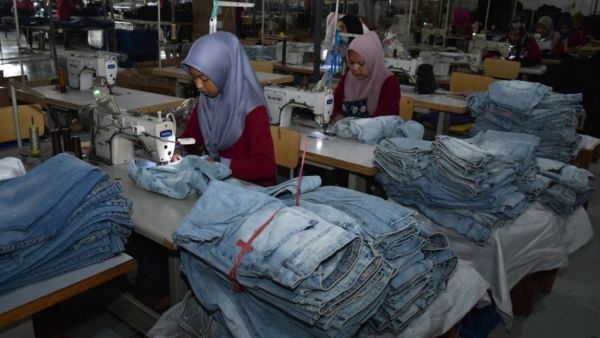
- Bangladeshi textile mill owners lost sleep
- The textile industry is on the verge of closure
- Loss of billions due to Indian thread
Bangladesh Textile Industry: Bangladesh’s textile industry is in trouble due to tensions with India. There is also a danger that it will be closed from February 1. Mill owners in Bangladesh have warned that yarn units across the country will shut down if the government does not withdraw the duty-free import facility on yarn by the end of January. Indian yarn is responsible for this situation. Domestic yarn units will suffer. The warning from mill owners comes amid mounting pressure on the interim government, which has been demanding the suspension of zero-duty benefits on yarn imported under the government’s bonded warehousing system. The crisis worsened when the commerce ministry wrote to the National Board of Revenue recommending withdrawal of the facility.
Bangladeshi mill owners argue that duty-free imports distort the level playing field and harm the local yarn industry.
Serious damage has been done. Dependence on Imported Cotton Yarn For a long time, textile manufacturers and exporters in Bangladesh have depended on imported cotton yarn from India due to competitive prices and consistently high quality. They also import polyester yarn from China.
However, local mill owners now say that this dependency has had a severe economic impact on the domestic textile industry, necessitating the closure of duty-free import facilities. Indian thread cheap Reports show that the Bangladesh Textile Mills Association (BTA) said Indian thread is cheap and adding to the domestic market.
The ongoing gas crisis in Bangladesh has worsened the condition of the mills there. In the last three to four months, the textile sector has lost an estimated $2 billion due to gas shortages, erratic supply and rising energy prices. Mills do not even get gas at subsidized rates. High prices and supply disruptions have reduced production by 50 percent.
-
Drivers urged to 'rub a potato' over car windscreens this week

-
'Urgent concern' for missing Brit last seen in Spanish holiday hotspot as appeal launched

-
How to Add a Second Mobile Number to Your Bank Account: Learn the Process

-
Shark vacuum so good shoppers are now 'obsessed with vacuuming' on sale with £100 off

-
Delhi HC questions DGCA over indefinite relaxation of pilot rest norms