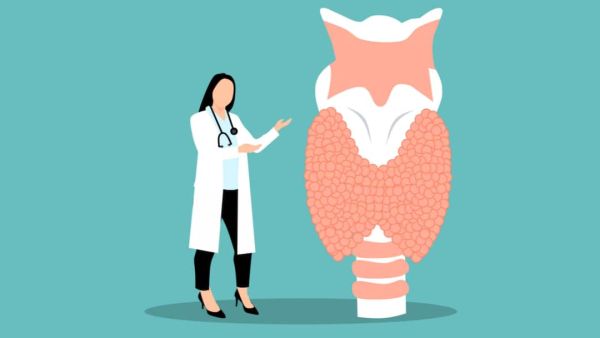
Thyroid problems are one of the most common endocrine diseases in India, but they are not well integrated into regular public health screenings. According to studies published in the Indian Journal of Endocrinology and Metabolism, about 42 million Indians currently have thyroid disease. Despite the fact that there are reliable tests and cheap treatments available, almost one-third of people who are affected remain unaware that they have it, which allows complications that could have been avoided to get worse over time.
Problems with the thyroid can have long-term effects. If not treated, it can lead to obesity, heart disease, infertility, joint pain, and problems during pregnancy. These outcomes impact all patients; however, women disproportionately bear the burden.
The Disparity In Thyroid Disease Between Genders
Thyroid disorders are much more common in women than in men, both in India and around the world. A review published in the Current Health Sciences Journal and other medical literature show that women are up to eight times more likely than men to get thyroid disease. Indian population studies show similar patterns, with hypothyroidism affecting about one in ten adults, most of whom are women.
This difference between men and women shows that people are both biologically weak and that the health system has blind spots. People in the medical field often talk about thyroid disease, but it is rarely a top priority in women's health policy.
Hormones And Sexual Health
The thyroid gland is very important for controlling metabolism, energy balance, heart health, and body temperature. Thyroid hormones are closely linked to women's reproductive health because they work with the hypothalamic pituitary ovarian axis.
Hormonal changes that only happen to women, like puberty, pregnancy, the time after giving birth, and menopause, make it more likely that the thyroid will not work properly. Hypothyroidism is linked to irregular menstrual cycles, anovulation, infertility, recurrent pregnancy loss, and complications during pregnancy. Even mild or subclinical thyroid dysfunction can impact fertility and pregnancy outcomes.
However, thyroid screening is not always part of standard tests for menstrual problems, infertility, or repeated miscarriages. Women frequently endure multiple investigations and treatments devoid of a fundamental thyroid evaluation, thereby postponing diagnosis and elevating long-term health risks.
Nutrition, Iodine, And Autoimmune Disorders
India's thyroid disease profile has been greatly affected by nutrition policy. It is well known that not getting enough iodine can cause thyroid problems. The American Thyroid Association says that almost two billion people around the world are still at risk of iodine deficiency. This shows how important it is to make changes at the population level.
India’s universal salt iodisation programme significantly reduced iodine deficiency disorders and remains a public health success. However, India has now moved into a phase of iodine sufficiency, and in some regions, excess intake.
Autoimmune thyroid disorders are becoming more common, particularly among women. Research from India and globally shows that up to 15% of young women carry thyroid autoantibodies, increasing their lifetime risk of thyroid disease. Factors such as genetics, excess iodine, vitamin D deficiency, and environmental stress contribute to this trend.
Missed Opportunities In The Health System
One of the biggest challenges in thyroid care is delayed recognition. Symptoms such as fatigue, weight changes, hair loss, mood changes, and irregular periods are often treated separately, rather than seen as part of a thyroid problem.
The health system does not adequately address this. Primary care, gynaecology, and endocrinology largely work in isolation. Routine thyroid testing is not standard in reproductive health, antenatal care, or infertility clinics, despite strong evidence supporting it.
From a policy point of view, it's hard to explain this gap. Thyroid function tests are cheap, easy to find, and accurate. Most of the time, treatment works, especially when it starts early. A late diagnosis raises healthcare costs, makes patients suffer longer, and causes complications that could have been avoided.
Awareness To Action
January is Thyroid Awareness Month, but just being aware isn't enough. Screening should be a normal part of women's health care, especially for those who have problems with their periods, are infertile, have had a miscarriage, or are fatigued.
Policies regarding nutrition must take into account the needs of each region, since both low and high iodine levels raise the risk. To find problems early, primary care and specialists need to work together better.
Thyroid problems are common in Indian women, but they can be avoided and treated.
The author, Dr. Sabine Kapasi, is the CEO at Enira Consulting Pvt Ltd, Founder of ROPAN Healthcare, and UN advisor.
[Disclaimer: The information provided in the article is intended for general informational purposes only. It is not a substitute for professional medical advice, diagnosis, or treatment. Always seek the advice of your physician or other qualified healthcare provider with any questions you may have regarding a medical condition.]
-
Drivers urged to 'rub a potato' over car windscreens this week

-
'Urgent concern' for missing Brit last seen in Spanish holiday hotspot as appeal launched

-
How to Add a Second Mobile Number to Your Bank Account: Learn the Process

-
Shark vacuum so good shoppers are now 'obsessed with vacuuming' on sale with £100 off

-
Delhi HC questions DGCA over indefinite relaxation of pilot rest norms