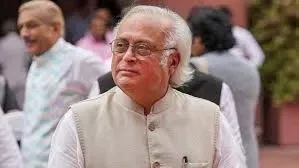
TradeDeal – The Congress on Tuesday called on the Modi government to place the full texts of the recently announced trade agreements with the United States and the European Union before Parliament, insisting that both deals should be openly debated in the House. The party said such scrutiny was necessary given the potential impact of these agreements on India’s economy and key domestic sectors.
Opposition Questions Government’s Approach
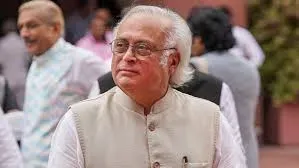
Speaking on behalf of the party, Congress general secretary for communications Jairam Ramesh argued that the government had failed to keep Parliament adequately informed. He maintained that details emerging from statements made by US President Donald Trump suggested that Prime Minister Narendra Modi had made significant concessions during negotiations.
Ramesh recalled that almost a year ago, Modi had visited the White House following President Trump’s re-election, a meeting marked by warm public gestures and optimism around bilateral ties. According to him, trade discussions gained momentum soon after, but the relationship took a turn following Trump’s announcement on May 10, 2025, regarding the halt of Operation Sindoor.
Shifting Diplomatic Signals
The Congress leader also pointed to subsequent developments in US foreign policy, including Washington’s renewed engagement with Pakistan and its military leadership, which he said raised questions about the effectiveness of India’s diplomatic outreach. He argued that these moves weakened earlier claims of strengthened India–US relations.
Ramesh said President Trump’s late-night announcement, Indian time, about the trade agreement added to concerns. He claimed the sequence of events indicated that India had accepted terms without sufficient public explanation, leaving the country at a disadvantage.
Demand for Parliamentary Scrutiny
With Parliament currently in session, the Congress reiterated its demand that both the US and EU trade agreements be formally tabled in the Lok Sabha and the Rajya Sabha. Ramesh highlighted remarks by US Secretary of Agriculture Brooke Rollins, who suggested that India had agreed to liberalise agricultural imports from the United States. He said such statements made it essential for lawmakers to examine the fine print.
The party also criticised the manner in which the announcement was made, noting that it was President Trump, rather than the Indian government, who first disclosed the deal. According to the Congress, this mirrored earlier instances where major decisions were communicated from abroad before being explained domestically.
Concerns Over Economic Impact
In a statement, the Congress warned that reducing tariff and non-tariff barriers to near zero could expose Indian industry, traders, and farmers to intense competition. The party sought clarity on safeguards for the agriculture sector and questioned how farmers’ interests would be protected if imports from the US were expanded.
The opposition also raised concerns over reports suggesting a shift in India’s energy purchases away from Russia toward suppliers such as the US and Venezuela. It asked whether such commitments had been made as part of the trade negotiations and how they aligned with India’s broader strategic and economic goals.
Questions on Make in India
Another point of contention was the possibility of increased imports from the United States. The Congress argued that this could undermine the government’s Make in India initiative if domestic manufacturing faced reduced policy support.
The party concluded by urging the government to take both Parliament and the public into confidence, stressing that transparency was vital for decisions with long-term national consequences.
Government’s Position and Broader Context
President Trump has said that under the proposed agreement, reciprocal tariffs on Indian goods would be reduced from 25 percent to 18 percent. Prime Minister Modi, responding to the announcement, welcomed the development, saying it would benefit made-in-India products by improving their access to the US market.
The debate comes shortly after India and the European Union finalised a major free trade agreement in January, aimed at creating one of the world’s largest integrated markets and strengthening cooperation across trade and defence.
-
Delhi Government to Provide Free Laptops to Students: Learn How and Who Can Apply?
-
UP Government to Withhold Salaries of 68,000 Government Employees; Is Your Name on the List? Check Now!
-
How much does an Amrit Udyan ticket cost? How much is charged to foreigners?
-
The government may make a major announcement for Agniveers; they will be accommodated in paramilitary forces!
-
India Post Recruitment for 10th Pass Candidates: Find Out When You Can Apply!