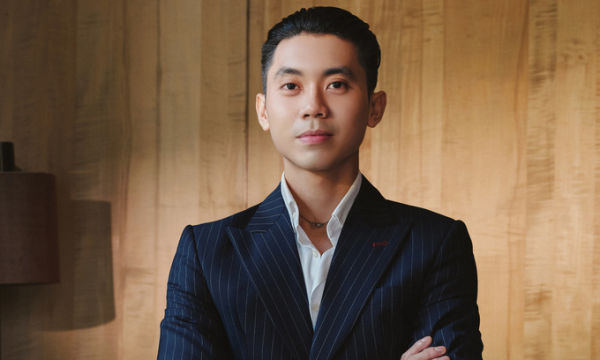
Duy describes this approach as “cultural infrastructure,” a concept in which hotels move beyond simple accommodation to actively facilitate authentic connections between international travelers and local artisans, brands, artists, and communities through curated, culture-led experiences.
|
Vo Khanh Duy, former Area Director of Marketing & Communications for Asia Pacific at New World Hotels & Resorts (Rosewood Hotel Group). Photo courtesy of Duy |
For well-traveled guests, he said, good design and attentive service are increasingly baseline expectations. “What is harder to replicate is a genuine sense of place, the answer to why a particular experience belongs in that destination and at that hotel.”
Duy believes hotels can play a curatorial role by identifying local artisans, products, and stories and incorporating them into experiences that guests can discover, understand, and take home.
“If a hotel is viewed only as a place to sell rooms, much of that connective potential is left untapped,” he explained. “Cultural infrastructure does not mean turning a hotel into a static museum. In its simplest sense, infrastructure is a framework that allows value to flow and circulate.”
Rather than relying solely on traditional motifs in hotel design, he said, brands can incorporate local culture through partnerships, food and beverage offerings, guest activities, retail products and the stories surrounding them.
Authenticity, in his view, should not be confused with nostalgia.
“A living city should be allowed to have a living identity,” Duy said. “A hotel can be contemporary and still feel deeply connected to its location if the choices behind the experience genuinely relate to the place in which it operates.”
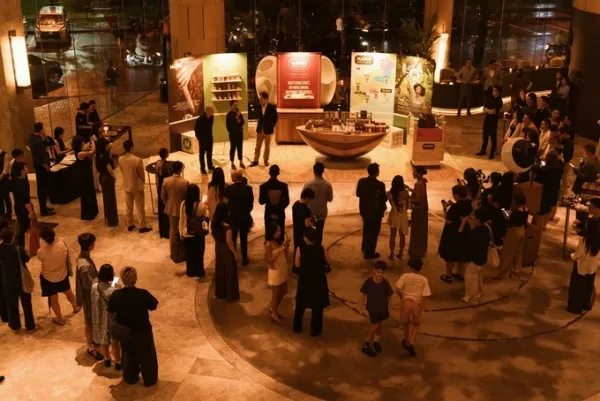
One example was a collaboration between the regional brand team of New World Hotels & Resorts and Vietnamese chocolate maker Marou. Duy and his team saw an opportunity to take the partnership beyond a seasonal gift or short-term marketing campaign. The partnership incorporated Marou into the guest journey through curated experiences, co-created products, and distinctive craftsmanship woven directly into the hotel’s culinary offering.
For co-branded chocolate product packaging, Duy proposed combining traditional do paper with upcycled cocoa shell fibers, allowing the packaging to reinforce the product’s Vietnamese origins and contribute to the narrative, rather than treating the package as a mere “cover.”
 |
|
The launching event of the partnership of New World Hotels & Resorts and Marou Chocolate in June. Photo courtesy of New World Saigon Hotel |
According to Duy, what interested him was that an international guest might know very little about Vietnamese cocoa when arriving at the hotel. But by the time they leave, they may have tasted it, understood something about where it comes from and taken home a product connected to that story.
The collaboration was incorporated across several guest touchpoints, including guestrooms, lobby areas, restaurants, retail offerings, and co-branded products.
Beyond shaping the guest experience, Duy said cultural partnerships can also raise a broader question: how does the value created flow back to local communities? He noted that while “sustainability” is widely discussed, it is often easier to communicate than to implement meaningfully in practice.
Duy cited RauCycle, an initiative developed around Earth Day that brought together young artists to transform surplus vegetables into six artworks displayed in a hotel lobby. The project was initially not intended as a commercial activity.
-
Former Liverpool star Mohamed Salah opens his Trabzonspor account with match-winning brace against Istanbul Basaksehir

-
Manchester United Open Talks With Alejandro Balde’s Agent: A Smart Option For Michael Carrick?
-
First-lap crash dents Verstappen’s home race, but Red Bull’s lack of pace is the bigger worry
-
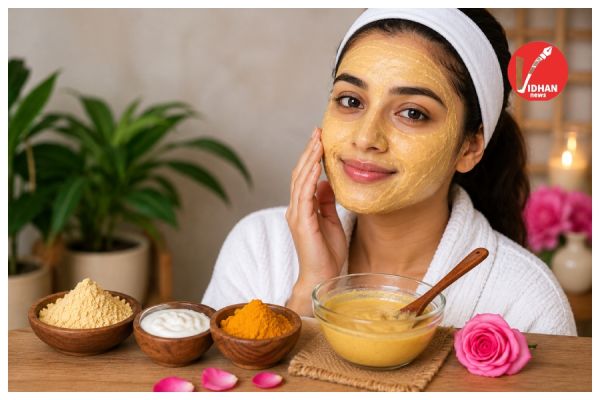
Glowing Skin Tips: No need to spend on expensive facials! Mix this thing in 2 spoons of gram flour, it will improve
-
Beauty Products Side Effects