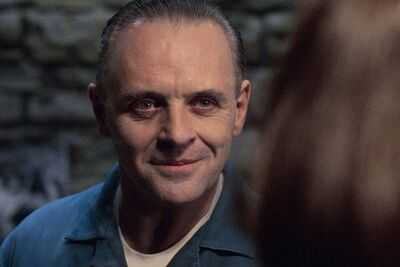
The chilling Dr Hannibal Lecter made his debut in Thomas Harris's 1981 novel Red Dragon, immediately captivating readers with his disturbing presence.
The character proved so mesmerising that Harris wrote three more novels exploring his horrifying cannibalistic exploits - The Silence of the Lambs (1988), Hannibal (1999), and Hannibal Rising (2006).
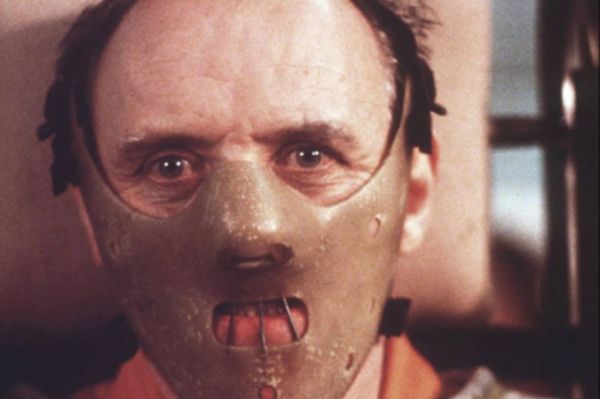
Harris's second instalment spawned a blockbuster film adaptation, introducing audiences to one of cinema's most unsettling figures ever created.
- Woman wakes up in night with 'heavy chest' then realises why
- Couple move into dream home and start getting sick – then they make horrifying discovery
Lecter wasn't the sole monster brought to life on screen - Buffalo Bill, the film's primary villain who entrapped, abducted, and subsequently flayed women to fashion 'women suits', remains the source of genuine terror. The disturbing reality? His character drew inspiration froman actual serial killer,as did Lecter himself, reports the Express.
There's universal agreement - tales rooted in real events possess an uniquely spine-tingling quality. When these narratives involve such brutality, relentlessness, trauma and malevolence, they become all the more effective at making one's blood run cold, precisely because these predators were real.
Operating in plain sight, moving among ordinary people, inflicting unspeakable atrocities upon genuine victims who endured unthinkable suffering.
Any examination of The Silence of the Lambs requires careful consideration - both the film and novels contain multiple dimensions of intricacy, and their impact on popular culture remains undeniable.
Due to its cult status, Jonathan Demme's film has attracted significant criticism over the years for its depiction of gender identity, with many arguing that Jame 'Buffalo Bill' Gumb's character reinforces damaging stereotypes about the transgender community. The film's treatment of sexual and gender politics has also faced repeated scrutiny.
Amidst all these (rightfully important) conversations, Demme has delivered a horror masterpiece that continues to captivate audiences.
Real-life serial killers who inspired cinema's worst villains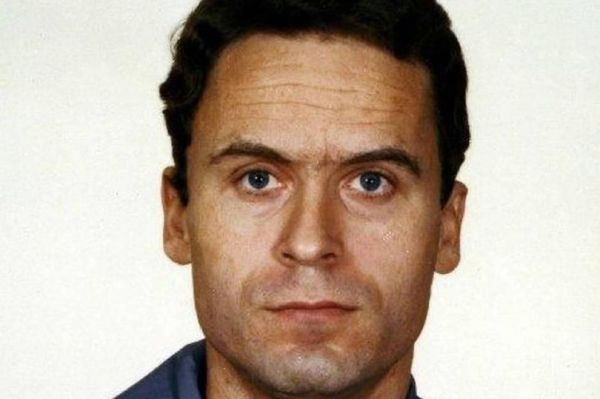
The Silence of the Lambs was released 35 years ago today, on February 14, and went on to rake in $272.7 million at the worldwide box office against a modest $19 million production budget. The film undeniably transformed the psychological horror thriller genre forever.
So, who were the real men behind Thomas Harris's creation of two of pop culture's most disturbingly memorable characters?
Hannibal LecterBrought to bone-chilling life by Anthony Hopkins on screen, Hannibal Lecter and his cannibalistic tendencies were actually drawn from several real-life monsters.
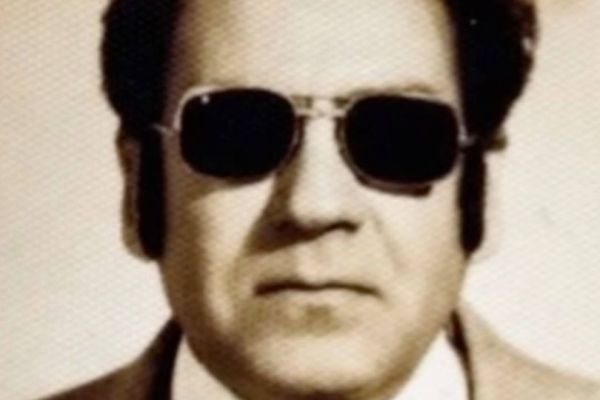
In the preface to the 25th anniversary edition of The Silence of the Lambs novel, penned by Harris in 2013, the author disclosed that he encountered a 'doctor' whilst visiting Nuevo León state prison in Monterrey, Mexico, during the 1960s. At the time, he was a 23 year old journalist covering the case of Dykes Askew Simmons, an American convicted of murder.
Dubbed 'Doctor Salazar', Harris portrayed him as a "small, lithe man with dark red hair" possessing "a certain elegance about him" - a understated characteristic that subtly manifests in Lecter as well. Significantly, both Lecter and Doctor Salazar share Lithuanian heritage.
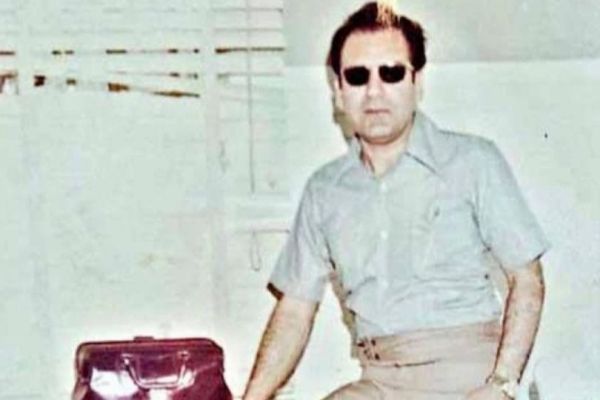
'Doctor Salazar', as it transpired, wasn't actually a prison doctor, but rather a genuine murderer named Alfredo Ballí Treviño, who was imprisoned for a ' crime of passion' - murdering his partner during his time as a medical intern in 1959, before methodically dismembering the body to fit the remains into a box, which he subsequently tried to conceal in his aunt's ranch grounds.
Coming from an affluent and influential family, he was also under suspicion for the killing and dismemberment of several hitchhikers, though these charges were never substantiated in court.
'Dr Salazar' was treating Simmons in the prison following a failed escape attempt. That same day, Harris received a stark warning from the warden: "The doctor is a murderer. As a surgeon, he could package his victim in a surprisingly small box. He will never leave this place. He is insane."
Given a death sentence in 1961, 'Dr Salazar' had effectively established an unofficial medical service within the prison walls, caring for fellow inmates and even local residents from the surrounding area.
In 1981, two decades after his death sentence began, Ballí was astonishingly freed from custody, permitted to rejoin society as a free man. In his introduction, however, Harris acknowledged that Lecter drew from more than simply 'Dr Salazar', and throughout the years, numerous individuals have attempted to identify all the real-world influences behind this disturbing character.
A team of homicide investigators familiar with Harris suggested in a 1999 Tulsa World piece that they suspected Lecter represented a composite of infamous serial murderers Edmund Kemper, Ted Bundy, and cannibal Issei Sagawa.
William Coyner, another murderer-turned-cannibal who purportedly salted and preserved his victims' remains, was likewise considered amongst Lecter's possible inspirations.
Serial murderer Albert Fish has also been cited as a potential influence on Lecter. Fish allegedly penned a letter to the mother of one of his young victims, describing in graphic detail how he killed and subsequently consumed her daughter.
The veracity of his assertions remains uncertain, as forensic technology of that era was insufficiently developed.
Buffalo BillCertain nuanced characteristics of Doctor Salazar are believed to have been woven into Buffalo Bill as well, masterfully brought to life by Ted Levine in the film.
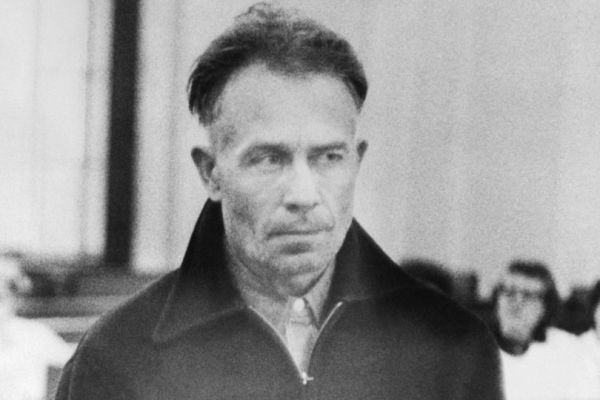
Whilst writer Harris has never formally disclosed the influences informing Buffalo Bill's chilling character, his methods can be connected to numerous notorious serial killers.
In bonus footage from the film, FBI Special Agent John Douglas revealed that Buffalo Bill's opening scene drew partial inspiration from Ted Bundy - notorious for feigning injury with a fake cast to lure victims into assisting him, before rendering them unconscious at his vehicle and murdering them in brutal fashion.
The character's practice of skinning victims may have been influenced by Ed Gein, who also served as the blueprint for Norman Bates in Psycho and Leatherface in Texas Chain Saw Massacre.
Gein harboured an obsession with his mother, whose death proved a watershed moment in his disturbing trajectory, ultimately cementing his status as one of history's most depraved serial killers.
The detail of imprisoning victims in a basement pit likely stems from serial killer Gary Heidnik, who employed identical methods during the 1980s, abducting, sexually assaulting, and torturing six women, murdering two of them.
For the latest showbiz, TV, movie and streaming news, go to the new Everything Gossip website.
-
Jobs for 10th pass and diploma holders, recruitment for so many posts in NCL, know full details..

-
Smart TV: Planning to buy a smart TV? Keep these 4 things in mind...

-
How to update your husband's name instead of your father's on your Aadhaar card? Learn both online and offline methods here..

-
SIP vs. PPF: Which investment is better for you? Understand the difference in simple terms..

-
Delhi Lakhpati Bitiya Yojana: Know who can avail the benefits of this scheme, how will the money come into the daughters' accounts..