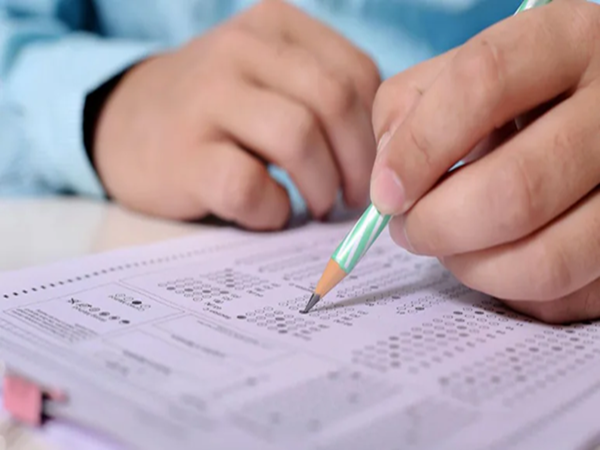
IAS and IPS officers hold a unique status in India. These government officials are considered the administrative backbone of the country. They shoulder significant responsibilities, from implementing sound policies to running the administration and maintaining law and order. These officers are selected through the Civil Services Examination conducted by the Union Public Service Commission (UPSC). But have you ever wondered how top-level government officers in neighboring Pakistan become so? Are the exams there as difficult as ours? Let's find out -
Which exam is required to become an officer in Pakistan?
Like India, Pakistan also has a Civil Service Examination. However, it is called the Central Superior Services (CSS). Like India's UPSC, this exam is conducted by the Federal Public Service Commission (FPSC). Furthermore, in neighboring countries, the PAS (Pakistan Administrative Service) replaces the IAS (Indian Administrative Service), and the PSP (Police Service of Pakistan) replaces the IPS (Indian Police Service).
What is the CSS exam like?
The CSS exam is held annually in Pakistan. Candidates must be between 21 and 30 years old to participate. The exam is conducted in two stages: a written exam and an interview. The FPSC test covers 12 different subjects, with six compulsory and six optional. The required score is 600 out of 1200.
Candidates can take this exam a maximum of three times. This exam is considered as difficult as India's UPSC exam. In 2019, 14,521 candidates took the CSS exam, of which only 214 were successful. This statistic shows that cracking the civil services exam is not easy even in Pakistan.
Disclaimer: This content has been sourced and edited from NDTV India. While we have made modifications for clarity and presentation, the original content belongs to its respective authors and website. We do not claim ownership of the content.
-
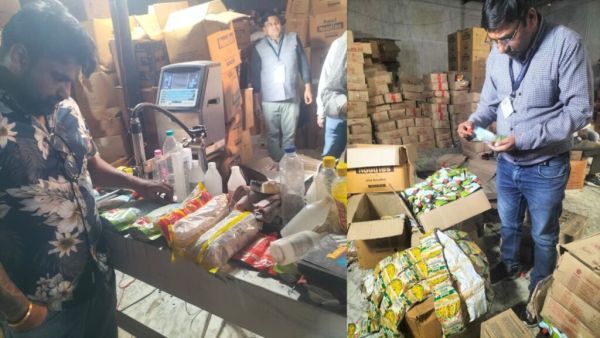
One and a half lakh kilos of expired food items of Amul brand seized, preparation was made to sell it in the market after erasing the date, bulldozer started
-
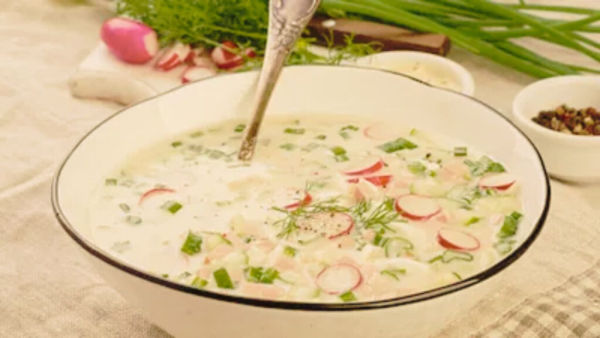
The secret of coolness and hydration in summer, try this super cooling raita, your body will remain fresh.
-
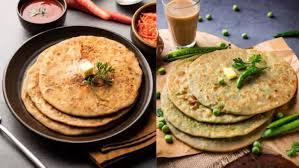
Include these 5 types of super parathas in breakfast, along with taste, you will get full energy and health for the whole day:
-
Vietnamese entertainer Huynh Tran Thanh to star alongside Park Bo Gum, Joo Won in South Korean film

-
Mint leaves will neither melt nor wither, just store them like this…